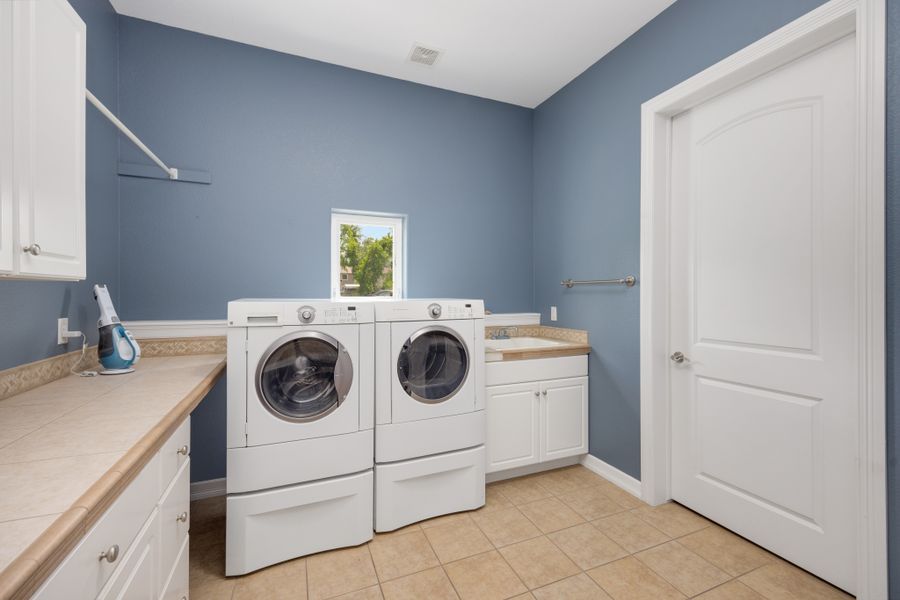
Most people clean out the lint trap after every load and figure that's enough. It's a good habit, but it only catches a fraction of the lint your dryer actually produces. The rest travels further down the vent line, and over months and years, it builds up into something that slows your dryer down and, in serious cases, becomes a genuine fire hazard.
The Real Answer: Once a Year for Most Homes
For a typical household doing a few loads of laundry per week, an annual professional vent cleaning is the standard recommendation from fire safety organizations. That single cleaning clears out the buildup your lint trap never touches, the lint that collects along the walls of the duct itself, especially at bends and joints where airflow slows down.
According to fire safety data, failure to clean dryers is one of the leading contributing factors in home dryer fires. It's a small task with real safety stakes.
When You Might Need It More Than Once a Year
Some households genuinely need more frequent cleaning than the standard yearly recommendation. You're likely in this category if:
- You do laundry for a large household. More loads mean more lint moving through the system every week.
- Your vent run is long or has multiple bends. Every turn in the ductwork is a spot where lint tends to collect faster.
- You live in a coastal or humid area. Extra moisture in the air can make lint stick to duct walls more readily instead of blowing straight through.
- You've noticed any of the warning signs below, regardless of how long it's been since the last cleaning.
Signs Your Vent Needs Attention Right Now
You don't have to wait for your annual cleaning date if you're seeing these signs. They mean airflow is already restricted enough to matter.
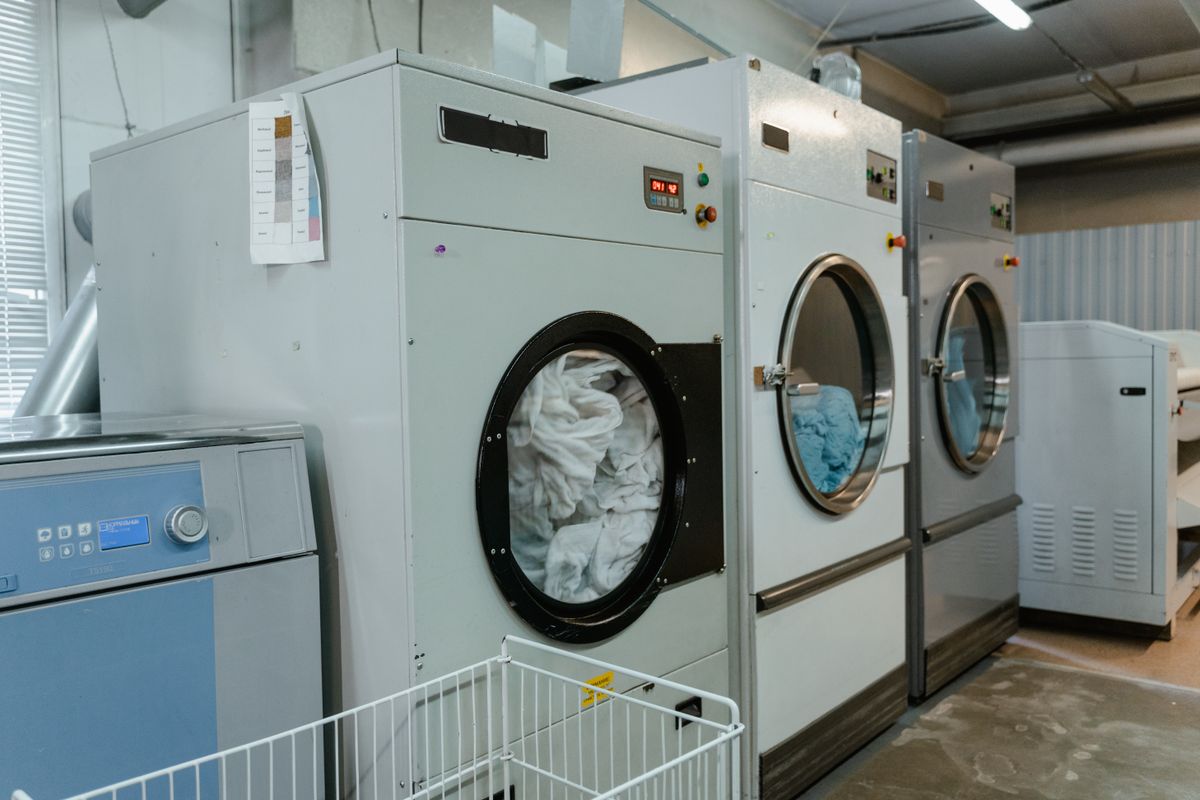
Clothes take two or three cycles to fully dry
This is usually the very first sign homeowners notice. A dryer working against restricted airflow simply can't move heat and moisture out efficiently, so it takes multiple runs to get the same result one cycle used to deliver.
The dryer or the room around it feels unusually hot
When exhaust air can't escape properly, heat builds up inside the dryer and radiates outward. If the outside of the machine or the laundry room itself feels noticeably warmer than usual during a cycle, that's airflow restriction at work.
You notice a burning smell
This one deserves immediate attention. A burning smell during operation can mean lint has built up enough to actually scorch against a hot surface inside the dryer or duct. Stop using the dryer and have the vent inspected before running it again.
What a Professional Cleaning Actually Involves
A proper vent cleaning goes further than what a homeowner can typically reach with a vacuum attachment. It clears the full duct run from the back of the dryer to the exterior vent cover, including any bends, and checks that the exterior flap is opening and closing correctly, since a stuck flap can also restrict airflow even with a clean duct.
Dealing with this right now? Skip the guesswork and get a technician out to look at it.
Call (619) 489-8099Common Questions
How do I know if my dryer vent has never been cleaned?
If you don't have a record of a previous cleaning and the dryer is more than a year old, it's safest to assume it needs one, especially if you're seeing longer dry times.
Can a dirty dryer vent actually cause a house fire?
Yes. Lint is highly flammable, and restricted airflow combined with heat buildup is a documented cause of residential dryer fires. This is why annual cleaning is a genuine safety recommendation, not just a performance tip.
Does cleaning the lint trap after every load make vent cleaning unnecessary?
No. The lint trap only catches lint at the very start of the exhaust path. A significant amount still travels further down the duct and builds up over time regardless of how consistently you clean the trap.
How long does a professional dryer vent cleaning take?
Most standard cleanings for a single-story home with a typical vent run take 30 to 60 minutes.
Is dryer vent cleaning different from just checking the outside vent cover?
Yes. A full cleaning clears the entire duct run, not just the exterior opening. A clear exterior flap doesn't guarantee the ductwork behind it is also clear.