If you live in San Diego, you've probably noticed the white, chalky spots on your glasses even right after they come out of the dishwasher. Or maybe your ice cubes look cloudy instead of clear. That's not a cleaning problem. That's hard water, and it's one of the biggest reasons appliances break down early across the county.
San Diego's water supply carries a higher-than-average mineral content, mostly calcium and magnesium. On its own, that water is completely safe to drink and use. But inside your appliances, those minerals don't just disappear. They build up, layer by layer, inside pipes, valves, and heating elements that were never designed to handle that kind of mineral load over years of daily use.
Where Hard Water Does the Most Damage
Not every appliance is affected equally. Some parts of your kitchen and laundry room take the brunt of it far more than others.
Dishwashers
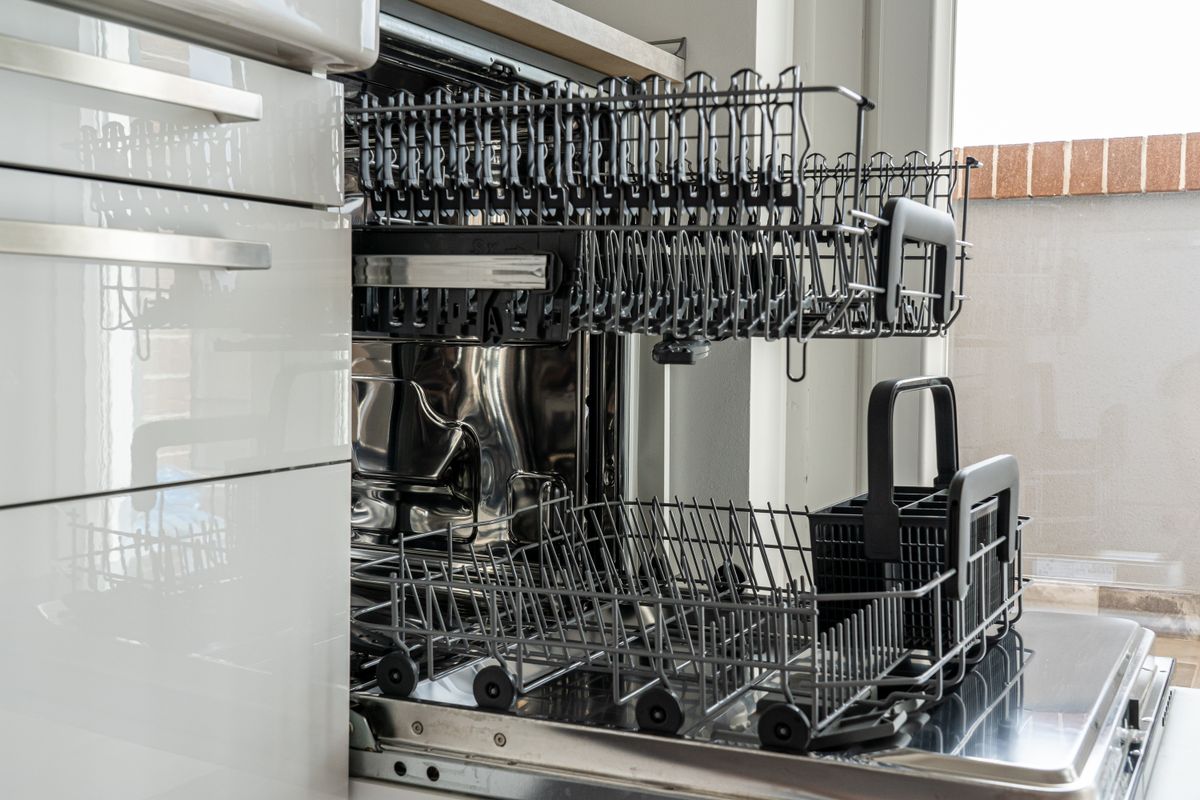
The spray arms inside your dishwasher have small holes that shoot water at your dishes. Over time, mineral deposits clog those holes, which is why dishes start coming out with spots or a filmy residue even when the cycle finished normally. In more advanced cases, the buildup can restrict water flow enough that dishes don't get properly cleaned at all.
Ice Makers and Water Dispensers
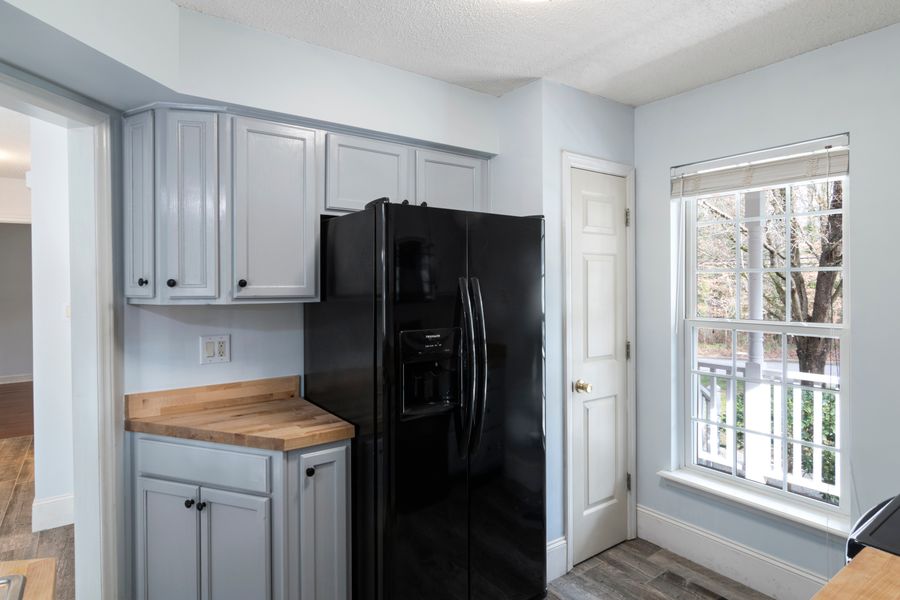
Refrigerator ice makers rely on a thin water line and a small fill valve to work correctly. Both are exactly the kind of narrow passage that hard water minerals love to clog. This is one of the most common refrigerator repair calls we get across San Diego, and it's almost always tied back to scale buildup rather than a mechanical failure.
Quick way to check: if your ice cubes look small, hollow, or take forever to fill the bin, hard water scale is very likely part of the problem.
Washing Machines
Hard water doesn't just affect how clean your clothes get. It also builds up inside water inlet valves and can leave residue inside hoses, which restricts water flow over time and puts extra strain on the pump.
Why This Happens Faster in San Diego Than Other Cities
San Diego's water hardness level sits well above the national median, largely due to the region's water sources, which draw from areas with naturally mineral-rich soil and rock. Compared to cities with softer water, San Diego appliances tend to show scale-related wear noticeably sooner, sometimes years earlier than the manufacturer's expected lifespan would suggest.
Simple Habits That Slow Down the Damage
You can't remove San Diego's hard water from the equation entirely without a whole-house water softener, but a few consistent habits make a real difference in how long your appliances last.
- Run dishwasher cleaning cycles monthly. A dishwasher-safe cleaner run through an empty cycle helps dissolve early mineral buildup before it hardens.
- Use rinse aid every load. Rinse aid helps water sheet off dishes instead of leaving mineral spots behind as it evaporates.
- Replace refrigerator water filters on schedule. A fresh filter helps catch some sediment before it reaches the ice maker valve.
- Wipe down washer door seals. This prevents mineral crust from building up around rubber gaskets, which can affect how well they seal over time.
- Consider a water softener if you're seeing frequent issues. For homes with especially heavy scale buildup, a softener addresses the root cause rather than just managing symptoms.
When It's Time to Call a Technician
Regular habits help, but they won't undo damage that's already built up inside a valve or spray arm. If you're noticing cloudy ice, spotty dishes despite using rinse aid, or a dishwasher that seems weaker than it used to be, it's worth having a technician clear the existing buildup and check whether any components need replacing before the problem gets more expensive to fix.
Dealing with this right now? Skip the guesswork and get a technician out to look at it.
Call (619) 489-8099Common Questions
Is San Diego's hard water safe to drink even if it damages appliances?
Yes, hard water is completely safe to drink. The mineral content that affects appliances over time has no health impact, it simply builds up mechanically inside pipes, valves, and heating elements.
Will a water softener fix appliances that are already damaged?
A softener prevents new scale buildup going forward, but it won't reverse damage that's already occurred. Existing clogs or worn components still need to be cleaned or repaired directly.
How can I tell if hard water is the cause of my appliance issue?
Common signs include cloudy or small ice cubes, spotty dishes even with rinse aid, white residue around faucets or dispensers, and appliances that seem to be working harder than they used to.
Do all appliance brands handle hard water the same way?
No, some brands and models have more resistant components or easier-to-clean parts than others, but no residential appliance is fully immune to hard water buildup over time.
How often should I have my appliances checked for scale buildup in San Diego?
An annual check is reasonable for most households, though homes with visible mineral buildup on fixtures may benefit from checking dishwashers and ice makers every six months.