Every appliance eventually breaks, and every time it does, the same question comes up: is this worth fixing, or should I just replace it? There's no single right answer for every situation, but there is a straightforward way to think it through that takes the guesswork out of the decision.
The Simple Rule Most Technicians Actually Use
A widely used guideline in the appliance repair industry is what's sometimes called the 50 percent rule: if the repair cost is less than 50 percent of the price of a new comparable appliance, repair is usually the better financial choice. If it's above that threshold, replacement often makes more sense.
This rule is a starting point, not an absolute. Age, appliance type, and how attached you are to the specific unit all factor into the real decision.
Factor 1: The Appliance's Age
Most major appliances have a typical expected lifespan:
- Refrigerators: 10 to 15 years
- Washers and dryers: 10 to 13 years
- Dishwashers: 9 to 12 years
- Ovens and ranges: 13 to 17 years
An appliance well within its expected lifespan is almost always worth repairing, even for a moderately expensive fix. One that's already past its typical range needs a closer look, since a second unrelated failure may be right around the corner even after you've paid for this one.
Factor 2: What's Actually Broken
Not all failures are equal. A worn door seal or a failed water inlet valve is a routine, inexpensive fix regardless of the appliance's age. A failed compressor on an older refrigerator, on the other hand, is both expensive and a sign the rest of the sealed system may not be far behind.
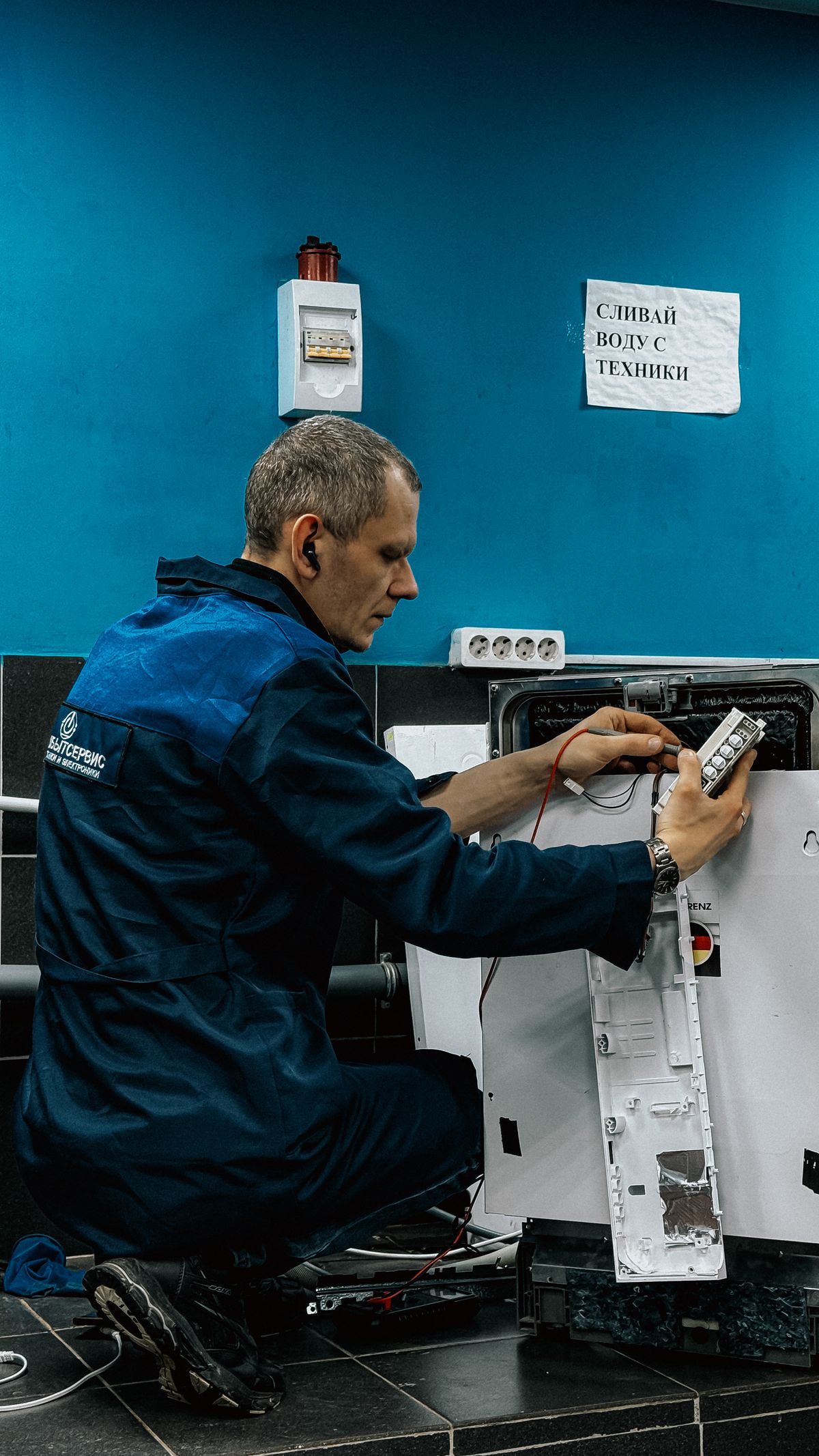
Repairs that are almost always worth it:
- Door seals and gaskets
- Igniters and thermal fuses
- Water inlet valves
- Belts and simple mechanical wear parts
Repairs worth a closer cost comparison:
- Compressor replacement
- Control board replacement on an older unit
- Motor replacement combined with other aging components
Factor 3: Has This Appliance Been a Repeat Problem?
If you've had the same appliance repaired two or three times in the past couple of years for different issues, that pattern matters more than any single repair cost. It often signals that multiple components are reaching end of life around the same time, even if they haven't all failed yet.
Factor 4: Energy Efficiency Gains
Appliances more than 10 years old, particularly refrigerators and washers, often use meaningfully more energy and water than current models. For older units sitting right at the replacement threshold, factoring in ongoing utility savings can tip a close decision toward replacement, even if the immediate repair cost looks reasonable on its own.
A Quick Way to Run the Numbers
Take the repair quote and divide it by the price of a comparable new appliance. If the result is under 0.5 (repair costs less than half of replacement), and the appliance is within its typical lifespan, repair is usually the practical choice. If you're above that line, or the appliance is already past its expected years, it's worth getting a second opinion on whether replacement makes more sense long term.
A good technician will tell you honestly when a repair isn't the better option rather than pushing a fix that won't hold up. That honest comparison is worth asking for directly during your service call.
Dealing with this right now? Skip the guesswork and get a technician out to look at it.
Call (619) 489-8099Common Questions
What is the 50 percent rule for appliance repair?
It's a general guideline suggesting that if a repair costs less than half the price of a comparable new appliance, repair is usually the more cost-effective choice, especially if the appliance isn't already near the end of its typical lifespan.
Is it ever worth repairing an appliance that's past its expected lifespan?
Yes, if the specific repair is inexpensive and the rest of the appliance appears to be in good condition. The concern with older units is more about the likelihood of another unrelated failure soon after, not that repair is automatically the wrong call.
Do repeated repairs on the same appliance mean I should replace it?
Multiple unrelated repairs within a short time span is a stronger signal to consider replacement than a single repair, even if each individual fix was reasonably priced.
Should I factor in energy efficiency when deciding to repair or replace?
Yes, especially for refrigerators and washers over 10 years old. Newer models are often significantly more energy and water efficient, which can offset some of the replacement cost over time.
Can a technician help me decide between repair and replacement?
Yes, a good technician will give you an honest comparison based on the specific repair needed, the appliance's age and condition, and realistic replacement costs, rather than automatically recommending the more expensive option.